Tweet You all may have already read the anti-corruption crusader Anna Hazare’s letter to the Prime Minister. Hard hitting stuff. We managed to lay our hands on the reply the PMO prepared for him. Dear Mr Hazare, Apologies for not getting back to you earlier. But better late than never, like an Indian mother...
Read more »
Current Affairs
PM Replies to Anna Hazare’s Letter
The Quattrocchi Saga Winds Down
Tweet A Delhi court has passed an order to allow the CBI to withdraw prosecution of Italian businessman Ottavio Quattrocchi. Quattrocchi was accused of receiving kickbacks of Rs 64 crores in connection with the purchase of Bofors howitzers back in the 80s. Since then, the CBI has spent Rs 250 crore on the case....
Read more »
Freedom to Murder
Tweet A bit unsure whether this should go in as the WTF news of the day, or the mind numbing news of the week. A mob of disgruntled laborers set ablaze a 55-year-old steel factory deputy general manager at Titilagarh in Orissa’s Balangir on Thursday. Radheshyam Ray was going out for lunch when...
Read more »
ObaMake-It-Happen
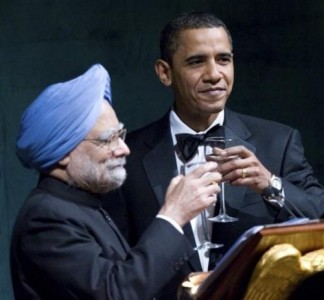
Tweet Obama may not promise to blow up Pakistan any day soon, or even to help India get into the UN Security Council, but here’s a few things that could make this trip worthwhile for us Indians. 1. Salaries in India are getting higher, and the attrition rate is a killer. Can we outsource...
Read more »
CWG 2010 - The People’s Verdict
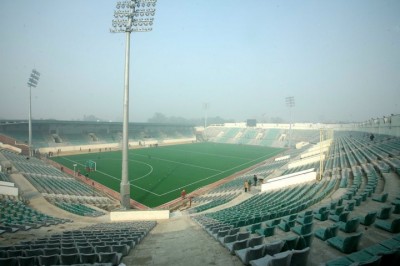
Tweet The 2010 Delhi Commonwealth Games are a mess. Bridges are collapsing all over the place. The Games Village is a stinky public potty as highlighted so aptly by BBC and co. We seem all set for a Dengue epidemic. The dogs may have had a party at the ‘village but nobody else wants...
Read more »
Maoists Protest Killing of their Comrade
Tweet The WTFness of our times just keeps increasing. Take this. Maoist leader Kishenji on Friday called a 48-hour bandh from September 13 in eight states to press for a probe into the death of top Naxal leader Cherakuri Rajkumar alias Azad. To be fair, yesterday was Janmashtmi; the day of Kishanji. But...
Read more »
From UP, With Love
Tweet Looks like the great Indian state of Uttar Pradesh has some grand plans laid out. No, not the statues. This is even bigger. The state government has plans for several ambitious highway projects, estimated to displace about 23000 of the total 1 lakh villages in the state. Among these projects is the...
Read more »
Doctors Rock!
Tweet Actually, a lot of of them deserve to be hit with rocks. Take this. The Uterus Snatchers of Andhra. Rural pockets across Andhra are being taken for a ride by greedy doctors removing women’s uteruses for any and every ailment. All because a surgical procedure would fetch them more money than a...
Read more »
India Creates $35 Tablet
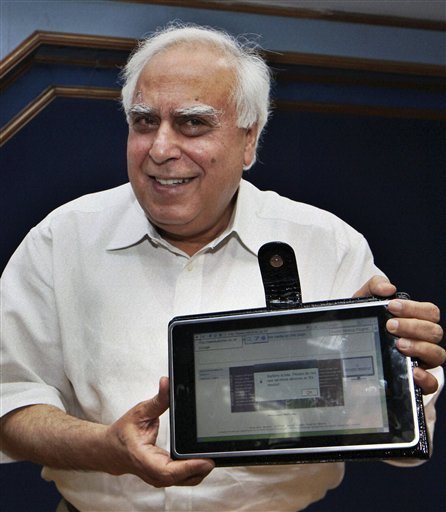
Tweet Remember the much acclaimed $10 laptop? The same one that turned out to be a lame computing device? They say - If at first you dont succeed, dont embarrass yourself by trying again. Well, apparently the Indian government hasnt heard that one. They have gone and this time come up with a $35 tablet. ...
Read more »
Assembly Of Idiots
Tweet As if Bihar wasn’t already enough entertainment, we now have MLAs flinging shoes, slippers, chairs and tables at the speaker, or anybody else conveniently available. Let’s look at the positive side. This must be a very fit bunch of politicians to be able to carry out this much heavy lifting of chairs and...
Read more »
Kick Starting Indian Hockey
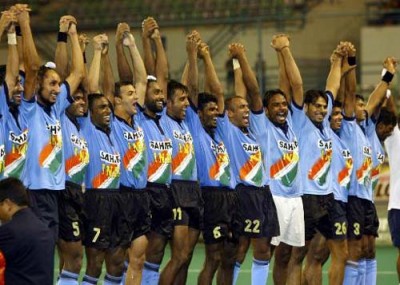
Tweet We all know that Indian hockey is in the crapper. We have gone from the high of Chak De India, to the low of the Phir Dil Do Hockey Ko debacle circa 2010 World cup. But all is not completely unwell. Brave young faces are appearing with a new found zeal for the game....
Read more »
Pakistan To Get New Currency Symbol
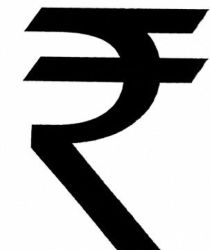
Tweet India’s shine has suddenly got cherry blossomed. India is double shining. Yes, the Rupee finally has its own symbol. With this, India becomes only the fifth nation in the world to have a unique symbol for its currency. Nothing can stop us from being a world superpower now. Meanwhile, we hear from...
Read more »
The Name is Bandh. Bharat Bandh.
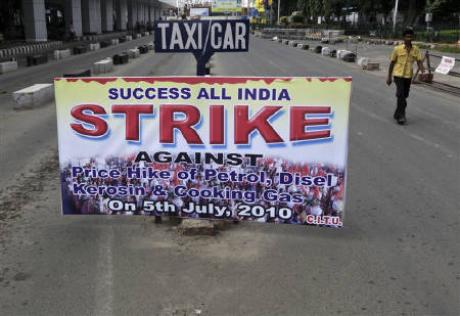
Tweet Today will be remembered in the annals of Indian history as All-is-Well day. Thanks to the Bharat Bandh organized by our Opposition parties to protest against rampant price rise. Prices have been rising ever since the UPA government came to power. For a while we thought UPA stands for Upwards Prices Alliance. After suffering...
Read more »
To Amethi or not to Amethi
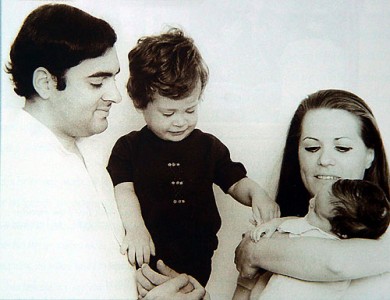
Tweet While we lesser minions get to carve a cake once a year, UP chief minister Mayawati carved a new district out of some parts of Uttar Pradesh last week. Good for her - she gets to consolidate her ever bulging vote bank muscle. This new district will be called Chhatrapati Shahuji Maharaj Nagar....
Read more »
Saina Nehwal - Super Series of Titles
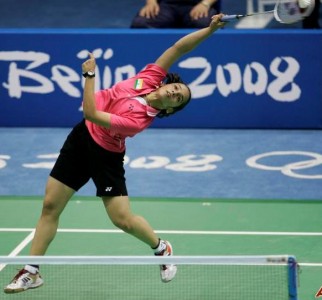
Tweet In a country that only knows and cares about one sport, a Saina Nehwal comes as a pleasant reminder that we Indians are capable of producing world class sports persons who can take on the best in the game. Saina’s current form has seen her win three titles on the trot - the...
Read more »